
When Schools Can Be Held Liable for Student Injuries
When your child leaves home for school, you should be able to trust that they’ll return safely at the end of the day. It’s a basic expectation: that the adults in charge will act responsibly, supervise appropriately, and take reasonable steps to protect the children placed in their care.
When that trust is broken, and a child suffers harm, it's common to feel overwhelmed, angry, and unsure of what to do next. Questions can quickly arise about accountability and whether the school could have prevented what happened. That’s where legal guidance can make a meaningful difference.
Located in Griffin, Georgia, The Harding Law Firm, LLC, is dedicated to helping you and your family evaluate whether your child's school may be legally responsible when your child has been hurt. The firm serves clients throughout Spalding County, Butts County, Monroe County, Lamar County, and Henry County. Reach out today to schedule a free 30-minute consultation and discuss your options.
Schools Have a Duty of Care to Students
Public and private schools have a legal duty to provide reasonable supervision and maintain a safe environment for students. While they aren’t automatically responsible for every injury that occurs on campus, they are expected to take steps that a reasonably careful institution would take under similar circumstances. This duty of care generally includes:
Providing adequate adult supervision during school hours.
Maintaining safe premises, including classrooms, playgrounds, and sports facilities.
Addressing known hazards in a timely manner.
Responding appropriately to reports of bullying or threats.
Hiring qualified staff and conducting appropriate background checks.
When schools fail in these responsibilities, a student injury may be due to negligence rather than a simple accident. For example, if a teacher leaves a classroom unattended and a fight breaks out that causes serious harm, the lack of supervision could be a key factor in determining liability. Similarly, if administrators were aware of repeated bullying but failed to intervene, the school might share responsibility for the resulting injuries.
An experienced personal injury attorney can evaluate whether the actions or inaction taken by your child's school fell below acceptable standards and whether that failure directly contributed to the harm your child suffered.
Common Situations That Lead to Student Injuries
Student injuries can happen in many different settings. While some incidents are truly unavoidable, others stem from preventable conditions or poor oversight. Recognizing patterns of situations at your child's school can help you determine whether legal action is appropriate. The common scenarios in which schools may face liability include the following:
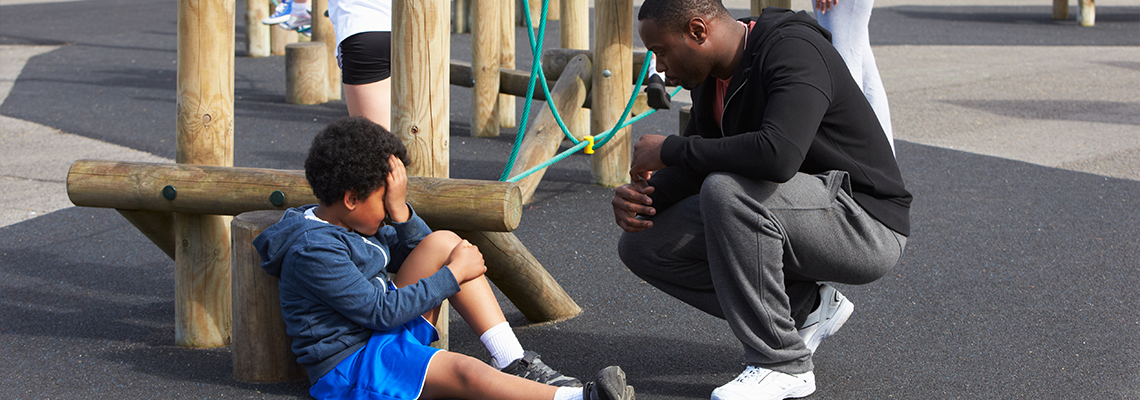
Playground accidents: Playground equipment must be properly installed, regularly inspected, and age-appropriate. Broken swings, unstable climbing structures, or a lack of supervision during recess can all lead to serious student injuries.
Sports-related injuries: Athletic programs carry inherent risks, but coaches are expected to follow safety guidelines, provide proper training, and respond quickly to signs of injury. Failure to follow concussion protocols or provide adequate protective gear can create liability.
Bullying and assault: When school officials know about repeated harassment, threats, or physical aggression and fail to act, they may be responsible if a student is harmed. Schools have a duty to take reasonable steps to protect vulnerable students.
Slip-and-fall incidents: Wet floors, uneven pavement, poor lighting, or icy walkways can create dangerous conditions. If a hazard wasn’t addressed in a reasonable time frame, the school could be held accountable.
Inadequate security: Schools are expected to implement reasonable security measures, such as monitoring entrances and supervising hallways. If lax security contributes to an assault or other harm, the school may be liable.
These examples highlight how student injuries often involve more than bad luck. When preventable factors are present, it’s worth considering whether negligence played a role and taking legal action to hold the school accountable for your child's injury.
When a School’s Negligence Leads to Liability
Not every injury automatically results in a valid legal claim. To hold a school liable for your child's injury, you will typically need to prove specific criteria, including that:
The school owed a duty of care to the student.
The school breached that duty through action or inaction.
The breach directly caused the injury.
The student suffered measurable damages, such as medical expenses or pain and suffering.
In Georgia, public schools are protected by governmental immunity laws. However, there are exceptions. For instance, if a school district has liability insurance that covers a particular incident, that coverage can open the door to a claim. Each case depends heavily on the facts.
Private schools, on the other hand, don’t have the same governmental immunity protections, and they can be held to similar negligence standards as other private institutions.
Georgia also has specific notice requirements and deadlines that must be met when pursuing a personal injury claim against a public school. Missing these deadlines can prevent you from moving forward with your case, even if your underlying claim is strong.
Steps You Should Take After a Student Injury
When your child is hurt at school, it’s easy to feel uncertain about what to do next. However, taking thoughtful, organized steps can protect both your child’s well-being and your legal rights. The steps you should consider taking include the following:
Seek medical attention immediately: Your child’s health comes first. Even if their injuries seem minor, a medical evaluation creates documentation that will later support your claim.
Request an incident report: Ask the school for a written account of what happened. Review it carefully and note any inconsistencies.
Document everything: Take photos of all visible injuries, hazardous conditions, or damaged property. Keep copies of any medical records, bills, and correspondence with the school.
Identify witnesses: Other students, teachers, or staff members may have seen the incident. Their accounts can provide valuable context.
Avoid signing documents prematurely: Schools or insurance representatives can present forms or settlement offers. It’s wise to review these with legal counsel before agreeing to anything.
Contact a personal injury attorney: If your child suffered an injury at their school, a skilled attorney can help you determine whether the school can be held accountable and represent you during your case.
These steps won’t undo what happened, but they can strengthen your position if you decide to pursue a claim. Contact our experienced personal injury attorney today to explore your options.
Contact Us to Pursue Accountability for Your Student's Injury in Georgia
When a school injury disrupts your child’s life, you deserve clear answers and meaningful support. Legal action isn’t about placing blame for its own sake; it’s about holding institutions accountable when they fail to protect the children entrusted to them.
The Harding Law Firm, LLC, is dedicated to working with families whose children have been injured in serious accidents or incidents at school. Attorney Harding will carefully review the facts of your case, explain your options under Georgia law, and advocate for fair compensation when negligence is involved.
When schools are required to address hazards, improve supervision, or revise policies, other students will be better protected in the future. Located in Griffin, Georgia, the firm serves families throughout Spalding County, Butts County, Monroe County, Lamar County, and Henry County. Reach out today to schedule a free 30-minute consultation.